

It tends to surface when the marketing team is stretched, a new website is overdue, or a rebrand is on the horizon.
Key Takeaways
In house designers are best suited to ongoing daily design needs such as campaign banners, pitch decks and small website updates, while a web design agency delivers stronger results on project based and specialist work.
The decision comes down to four main factors: cost, scope of work, speed of delivery and the level of strategic input your business requires.
Many growing businesses in Dubai benefit most from a hybrid model that combines an in house designer for day to day tasks with an agency for larger web projects and specialist capabilities.
Both options have genuine merit depending on context. There is no single correct answer for every organisation.
Bond Media UAE is a web design agency based in Dubai with over 25 years of experience, offering web design and development, branding and identity, and full service support through its integrated offering, The Full Works.
A Decision That Affects More Than Just Your Website
For businesses across Dubai and the wider UAE, deciding between an in house designer and a web design agency is a question that comes up at some point in almost every growth journey. It tends to surface when the marketing team is stretched, a new website is overdue, or a rebrand is on the horizon.
What makes this decision worth taking seriously is that it affects far more than the look of your site. It shapes your brand identity, your ability to generate leads, internal efficiency across departments and your long term digital presence. A successful website acts as an online business tool, not just a brochure, and the way you resource its creation determines how well it performs that role.
The right answer depends on several factors: the volume of design work you produce, the type of work involved (from social media marketing assets to bespoke web design), the size of your team, your growth plans and your budget realities. Both in house designers and agencies can work extremely well in the right context, and the purpose of this article is to give you a balanced, practical comparison rather than push you toward one option.
What follows draws on Bond Media UAE's 25 years of design and development experience working with businesses across the region. The aim is to help you make a clear, informed call.
What an In House Designer Actually Gives You
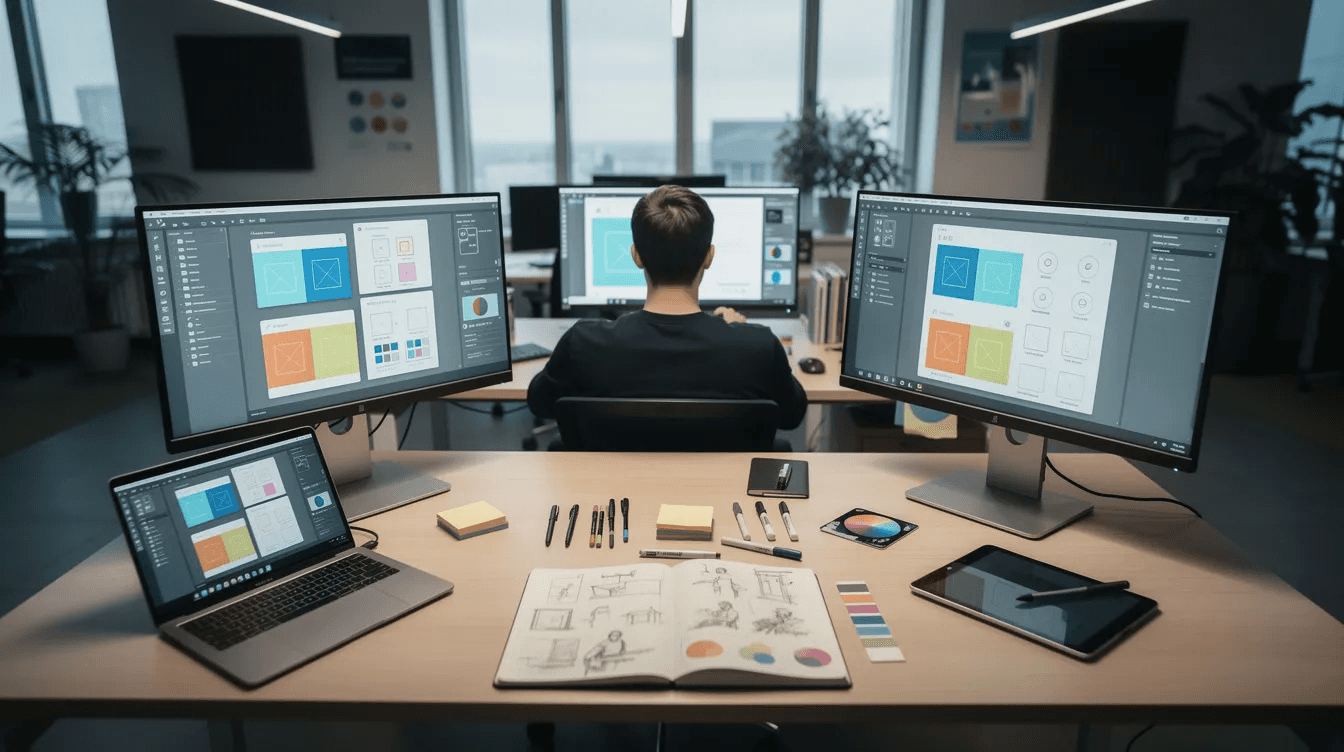
An in house designer is a full time employee embedded in your organisation. In most Dubai businesses, this role covers day to day creative web design tasks: updating web pages, producing marketing collateral, building pitch decks, designing social media content and handling small visual identity tweaks.
Many companies hire their first designer when the marketing team is overloaded with repetitive creative tasks and spending too much time on tools they are not expert in. It is a logical step, and for many businesses it works well.
Availability and Brand Familiarity
An embedded designer attends internal meetings, understands team dynamics and quickly absorbs the culture and business goals of the organisation. This proximity allows fast responses to everyday design requests, whether that means updating a campaign banner before lunch or editing product pages on short notice.
Over months and years, an in house designer builds deep brand knowledge. Brand identity includes visual elements like logos, colour schemes and messaging that reflect business values, and a designer who lives inside the company every day learns to protect that consistency across presentations, proposals and social content without needing a lengthy brief each time.
For businesses with frequent small changes rather than large projects, this constant availability can be more efficient than briefing an external digital agency every time a banner or a social post needs adjusting.
The Limitations of a Single In House Hire
Most designers are strong in some areas, whether that is layout, brand identity, UX or illustration, but it is rare for one person to cover web development, SEO, copywriting and front end code to the same standard as a full agency team. Expecting a single hire to manage everything from creative web design through to technical development and on page SEO is rarely realistic.
Capacity is also a concern. During peak periods such as product launches, trade shows or a full website redesign, one person can become a bottleneck quickly. Practical matters like holiday cover, illness and staff turnover can temporarily halt design output if there is only one in house specialist carrying the entire workload.
There is also the risk of a single creative perspective. In competitive sectors like Dubai real estate, hospitality or finance, fresh thinking is essential. An embedded designer seeing one business every day may unintentionally repeat the same visual approaches year after year.
What a Web Design Agency Actually Gives You
A web design agency is an external partner that brings collective experience across many projects, industries and platforms. A web design agency specialises in planning, building and maintaining websites, and around 22 per cent of top digital agencies focus specifically on web design services as their primary offering.
A strong agency can provide bespoke web design, branding, web development and ongoing digital support under one roof. Services often extend to digital marketing, email marketing, SEO and digital strategy. Bond Media UAE is a branding agency based in Dubai that crafts beautiful work for clients across the region, including bilingual websites that serve both Arabic and English speaking audiences. Custom website designs are tailored to specific client needs, meaning the output reflects the business rather than a template.
That said, it is worth taking a realistic look at both the benefits and the trade offs of working with an external team.
A Full Team Behind Every Project
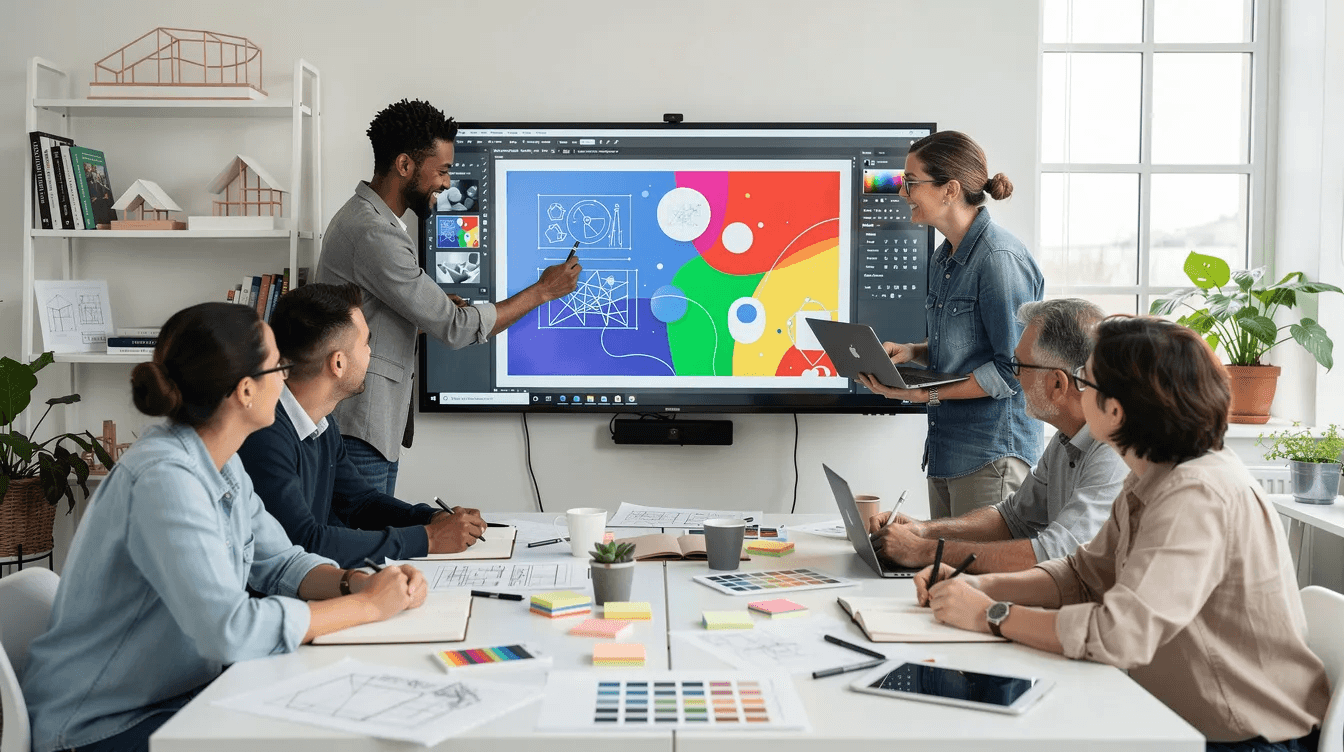
An award winning web design agency typically brings together UX designers, UI designers, web developers, copywriters, SEO specialists and project managers. Web development involves writing code for website functionality across devices, and this technical expertise sits alongside the creative and strategic roles that shape the user experience.
This team structure allows complex projects to run in parallel streams. An ecommerce build on a platform like Shopify, a multilingual site or an enterprise level web application can move forward across design, development and content simultaneously rather than relying on a single generalist. Web design agencies also create ecommerce websites, build multilingual websites for international audiences, and increasingly offer mobile app development alongside websites.
Agencies draw on patterns from previous award winning work in different sectors, which often leads to more creative solutions and better conversion performance. A web design and development agency can also advise on hosting, security, accessibility and long term scalability, areas that many in house teams simply cannot match alone.
The Limitations of Working With an Agency
For simple, low volume design needs, agency project fees can be higher than the cost of a junior in house designer. If your monthly design output is modest, paying an agency for every small request may not represent the best value.
Briefing an external team takes time and effort. It involves gathering content, explaining brand guidelines and approving concepts at each stage. Strong communication is essential for understanding client goals and requirements, and transparent project management is important to clarify roles and communication channels from the outset. Without this, misunderstandings can slow progress.
There is also the risk of feeling like a small client in a busy agency schedule. This is why clear communication and realistic timelines matter so much when choosing a partner. An agency will need time to fully understand a new brand identity, especially when there are multiple stakeholders or legacy systems involved.
Comparing the Two on the Factors That Matter Most
This section offers a side by side comparison focused on the concerns that Dubai and UAE businesses raise most often. The key areas are cost, skill range, speed and strategic value. As you read through each one, consider where your own business sits and which model fits your current reality.
Cost - Salary vs Project and Retainer Fees
The true cost of hiring in house goes well beyond base salary. In Dubai, web designer salaries range from AED 7,000 to AED 28,000 per month depending on experience and specialisation. Add housing allowance, visa and licensing, medical insurance, software subscriptions such as Adobe Creative Cloud, hardware and ongoing training, and the total employment cost for a mid level designer can reach approximately AED 176,000 per year.
Agency pricing works differently. Web design agencies offer fixed price packages and custom pricing. Fixed price packages provide predefined services at a set cost, offering clarity in pricing for web projects. Custom pricing is tailored to unique project requirements. Most web design projects cost between £30k and £150k depending on complexity, and payment schedules often include milestone based payments tied to delivery phases.
In the UAE specifically, a basic corporate site from an agency may cost AED 5,000 to 20,000, while a more complex multilingual or ecommerce site can range from AED 20,000 to well over AED 100,000.
The break even point varies. If your design demand exceeds roughly 60 hours per month across many small items, an in house designer often becomes better value. Below around 40 hours per month, or when needs are project based and specialist, a web design agency is typically more cost effective. For small businesses with modest needs, a single well defined project with an agency can be more sensible than committing to a full time salary.
Skill Range and Specialist Capability
A modern website demands a wide spectrum of skills: UX research, wireframing, bespoke development, content design, SEO strategy, analytics and performance optimisation. Technical capabilities should include expertise in relevant content management systems. WordPress is a popular CMS for many web design projects, and many web design agencies often use WordPress for website development, but larger or more customised builds may require different technology entirely.
Custom web design tailors layouts and colours to engage the target audience, but achieving this well means combining visual design skills with strategic thinking about user behaviour. SEO best practices enhance website visibility on search engines like Google, and building sites with clean code helps them rank higher. These are distinct disciplines that rarely sit comfortably with one person.
A design agency can assemble the right mix of specialists for each phase. Branding and identity experts lead the discovery work, UX designers shape the journey, web developers build the technology layer and SEO professionals ensure the site is visible to search engines. For businesses planning award winning web design or complex web applications, this depth of skill is usually more reliable than expecting a single multi tasker to deliver across every area.
Speed and Responsiveness
An in house designer can respond within hours to small requests, edits and internal deadlines. They are already on the internal systems, already in the building and already familiar with what is needed. For minor updates, this speed is hard to beat.
Agencies follow structured processes with briefs, schedules and sign offs. A typical web design project can last around 12 to 14 weeks from kickoff to launch. This structured approach can feel slightly slower for tiny changes but is far more dependable for large rollouts where multiple streams of work need to come together on time.
Performance matters at every level. A one second delay in page load can reduce conversions by seven per cent, which means that speed in the build process needs to translate into speed on the live site. Agencies often have the resources to scale up quickly on major projects by assigning additional designers or developers when timelines are tight.
In house teams tend to win on speed for minor updates. Agencies are stronger on consistent delivery for complex, multi stage work.
Strategic Input and Fresh Perspective
Internal teams can become very close to the brand and may repeat the same design approaches year after year. A digital agency that works across many industries such as real estate, hospitality, education and professional services brings a wider view of what is working in the market.
This outside perspective can challenge assumptions and introduce more creative web design ideas, including new layout patterns, content formats or interaction styles. Clear navigation boosts engagement and conversions, and first impressions on websites are formed in seconds. Professional looking sites establish trust and credibility with consumers, and an agency that has seen what converts across multiple sectors can bring that knowledge to your project.
Strategic workshops with an agency are especially valuable before major projects such as a full website rebuild or a complete shift in brand positioning. Traffic increases can be measurable outcomes from successful web design projects, and the strategic input that shapes those outcomes is where agencies often add the most value.
The Hybrid Approach - When Both Makes Sense
Many mid size and larger Dubai businesses reach a point where neither option alone is sufficient. The hybrid approach combines an in house designer with an external web design agency, and when structured well it can deliver the best of both worlds.
The in house designer handles daily brand assets, presentation decks, simple page updates and quick campaign artwork. The agency focuses on major initiatives such as new website builds, significant redesigns, multilingual rollouts and complex integrations with CRM or booking systems. Ongoing maintenance, including updates and security checks for websites, can sit with either party depending on complexity, while post launch support for security and performance is often best managed by the agency.
Transparent project management makes this work. Define which tasks always go to the in house team and which require agency support. Shared style guides, design systems and cloud based tools keep both parties aligned. When the relationship is clear, it avoids duplication and ensures neither side is left guessing.
This model allows a business to maintain day to day responsiveness while accessing the depth and creative strength of a specialist design and development partner for the work that truly moves the needle.

Questions to Ask Before Making the Decision
Before committing to either path, it helps to work through a set of honest questions. These are worth copying into a planning document or sharing with your leadership team.
How much design work do we produce each month, and how much of it is repetitive versus strategic? What types of assets do we need most, from social media content and sales collateral through to full website builds? How often do we expect to commission major web projects such as a new website, a microsite or a landing page?
Is our brand identity already well defined and documented? A strong brand identity is important for a successful web project, and if your guidelines are clear it becomes much easier to brief an external branding agency or web team efficiently. Does our portfolio of past work reflect the quality we want going forward? Portfolio quality should reflect work relevant to your industry.
Where do we expect to be in two to three years? Are we growing fast enough to justify a full time hire, or will our needs remain project based? Does a proven track record, including client references and third party reviews, matter more to us than cost alone? And who internally has the bandwidth to manage either an employee or an external supplier day to day? Performance metrics are important for measuring success after a website launch, so consider how you will track whether your setup is actually delivering.
What Dubai and UAE Businesses Should Consider Specifically
The local market introduces extra variables compared with hiring in London, New York or other international hubs. The cost and availability of experienced design talent in Dubai is shaped by competition from global companies and agencies chasing the same candidates. UX designers with Arabic RTL layout experience and bilingual copywriting ability carry a premium of 15 to 20 per cent over their peers, and housing and visa allowances push total employment costs significantly higher than many other markets.
Agencies build multilingual websites for international audiences, and working with a web design agency that understands bilingual Arabic and English content, cultural preferences and regional regulations can save considerable time and reduce risk. Over 70 per cent of visitors now browse on mobile devices, and agencies ensure mobile responsiveness for optimal display across smartphones and tablets, which is non negotiable in a mobile first market like the UAE.
The demands of dominant Dubai sectors such as luxury hospitality, real estate, tourism, finance and professional services mean that creative web design must still load quickly, look visually appealing, and work flawlessly on every device. These industries require high performance websites that deliver digital experiences capable of standing alongside global competitors.
Bond Media UAE, as a long established design agency based in Dubai, brings specific regional experience while still drawing on global best practice. That combination of local insight and international standards is difficult to replicate with a single in house hire.
Making the Call - A Simple Framework
A clear framework helps cut through the noise. Map your situation to one of three paths.
If your business produces daily design work across many formats, from social media to sales collateral to internal documents, and you need someone available at a moment's notice, an in house designer is often justified. The volume makes the salary worthwhile, and the brand familiarity pays dividends over time.
If your needs are mostly project based, such as a new website every few years, occasional brand refreshes, or a need to deliver websites that convert visitors and generate leads, a web design agency is usually more cost effective and capable. A successful website must generate leads and sales, and agencies are structured to deliver measurable results against those business objectives.
When both daily design and significant strategic web projects are on the agenda, the hybrid approach of combining in house design with an external digital agency deserves serious consideration. This model gives you digital growth without sacrificing the responsiveness your team relies on.
Revisit the comparison points above and your answers to the key questions before making a final decision with your leadership team. The best choice is the one that aligns with your business needs, your budget and your ambitions for the next two to three years.
How long does a typical web design and development project take from kick off to launch?
What content and assets does a client need to prepare before the project begins?
What does ongoing support look like after the site goes live?
How does a web design agency collaborate with an in house marketing team or external partners?
Can a web design agency help if we do not have a brand identity yet?


Let’s keep in touch.
Discover more about high-performance web design and online marketing. Follow us on LinkedIn and Instagram.