

If your platform serves hundreds of thousands of users across the GCC, the stakes are different here - and so is the design thinking.
Introduction: Why UX From a Dubai Design Agency Matters for High‑Traffic Sites
Since roughly 2015, Dubai has cemented itself as a regional powerhouse for high-traffic digital platforms. Ecommerce marketplaces, fintech applications, government portals, real estate search engines, and travel booking systems all operate at a scale that would stress most design frameworks. The city's Smart Dubai initiative, the Expo 2020 legacy, and the density of tech companies in Dubai Internet City have pushed expectations for digital experiences far beyond "looks good on mobile."
A high-traffic website, for the purposes of this article, means a platform exceeding 500,000 monthly sessions with periodic peaks that can multiply daily traffic several times over. Think Ramadan sale events, Dubai Shopping Festival launches, Gitex Global registration windows, or government visa-renewal deadlines that send hundreds of thousands of users to a single portal within hours.
The sectors most exposed to this kind of pressure include real estate portals handling off-plan property launches, government services like DubaiNow and RTA, banking and digital wallet platforms processing millions of transactions, and travel and tourism booking engines serving both residents and inbound visitors. For all of these, UX is not a decorative layer. It is infrastructure.
A modern branding agency can no longer separate brand identity from user experience. Both must be engineered to handle scale, serve multilingual audiences in English and Arabic at minimum, and convert under heavy load. Design agencies often specialize in areas such as branding and ui ux design, but in Dubai, the best ones treat these disciplines as inseparable parts of a single system.
This article is written from the perspective of a design agency working with GCC and global clients. It covers process, tools, cultural nuances, and performance UX across every phase - from discovery research to post-launch optimization.
Understanding Dubai's Digital Landscape for High‑Traffic UX
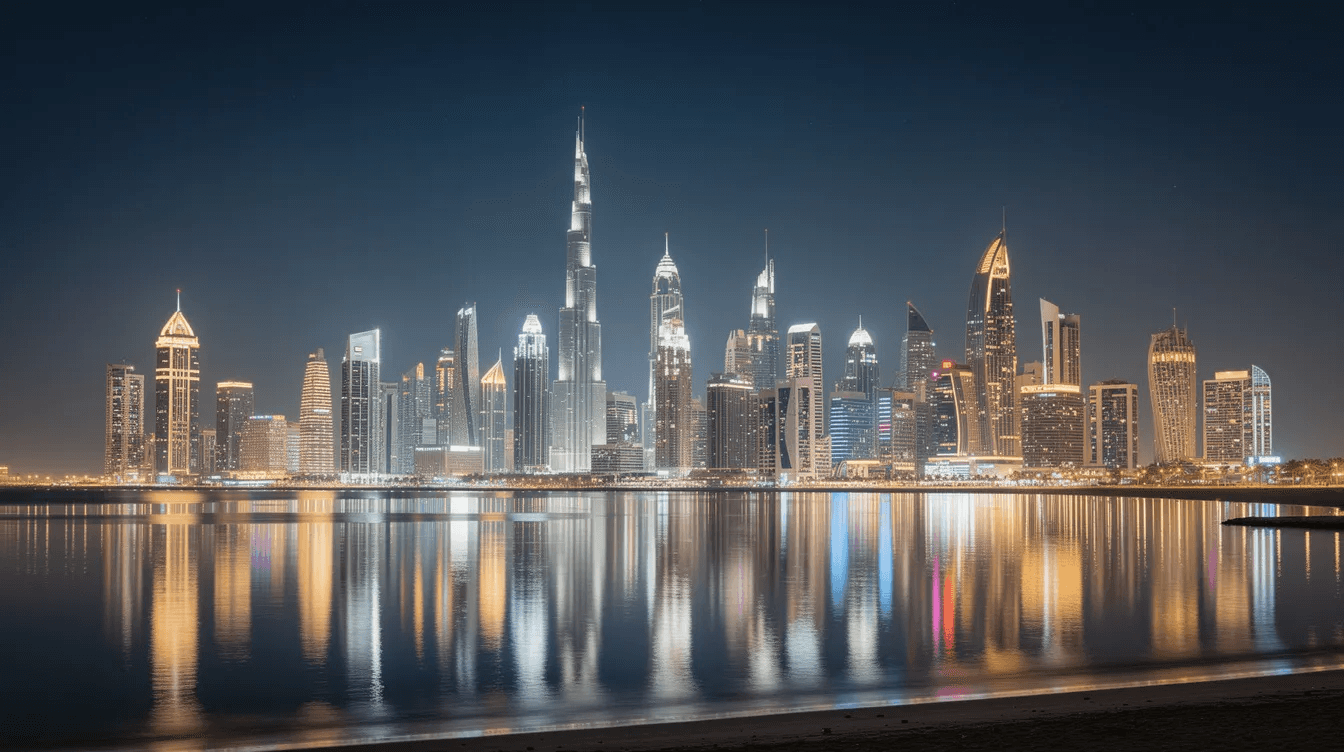
Dubai's digital ecosystem creates unusually high traffic volumes and equally high user expectations. The city's Smart City agenda - launched in 2013 and accelerated by programs like Dubai Data Strategy, Dubai 10X, and the Expo 2020 legacy - has produced a population that expects public and private digital services to be fast, available, and well-designed. When the government sets the bar, every private-sector platform is measured against it.
Traffic spikes in this market are predictable but brutal. Ecommerce platforms face surges during White Friday (late November), Singles Day (November 11), and the Ramadan-to-Eid shopping window when demand for groceries, beauty, and apparel climbs sharply. During White Friday 2025, shopping app installs rose 38% year-on-year, with in-app conversions jumping 68%. Government portals experience similar pressure during visa-renewal deadlines, school admission windows, and public holiday registration periods. These are the moments that expose weak UX.
User diversity is a defining challenge. Dubai's population is roughly 85% expatriate, drawing from South Asia, the broader Arab world, Western markets, and East Asia. A single platform may serve UAE nationals expecting luxury-grade design and Arabic-first interfaces, expat families looking for price transparency and COD options, and tourists who landed on the site via a Google search in Hindi or Russian. Each segment demands different language support, payment flows, and trust signals. Leading design firms cluster in creative hubs like the Dubai Design District and Business Bay, where proximity to this diversity sharpens their understanding of real user needs.
Device and connectivity realities shape every UX decision. Mobile phones drive approximately 75.3% of all web traffic in the UAE, with Android commanding around 81% of the mobile OS market. Median mobile download speeds sit near 614 Mb/s - fast, but network congestion in metro stations, malls, and elevators still creates real-world lag. Meanwhile, the UAE's Federal Data Protection Law and the UAE Pass digital identity system introduce regulatory requirements that directly influence login flows, data consent UX, and security screens. A design agency ignoring these specifics is designing for a market that doesn't exist.
From Branding to UX: How Brand Identity Shapes High‑Traffic Experiences
A branding agency in dubai that works on high-traffic platforms understands that brand identity and UX behavior are the same system, not parallel workstreams. The logo, colour palette, and tone of voice set expectations. The navigation, microcopy, error states, and loading patterns either deliver on those expectations or destroy them. Under traffic stress, this alignment is tested in real time - and users notice when it breaks.
Visual identity choices cascade directly into UX components. Luxury real estate portals serving Dubai and Abu Dhabi buyers typically use gold-and-black palettes, serif-plus-sans typography combinations, and generous whitespace to convey exclusivity. Fintech and government platforms lean into clean blue-and-white palettes, minimalist layouts, and functional iconography. Fresh typefaces and clean layouts are key modern design trends that Dubai startups targeting Gen Z adopt with bold gradients and animated micro-interactions. Each of these creative branding decisions shapes button hierarchy, call-to-action prominence, and readability - especially when content must render clearly in both English and Arabic.
Agencies create brand identities that reflect business goals, then translate those identities into component-level specifications. A branding design agency documenting a UX-ready brand system will produce component libraries in Figma covering buttons, form fields, cards, and modals in both language directions. Grid rules account for RTL mirroring. Motion guidelines specify animation durations that stay within performance budgets (typically under 300ms). Icon sets are tested for cultural appropriateness and legibility on mid-range Android screens. Branding consistency builds trust with audiences, and this kind of documentation is how consistency actually survives contact with production code.
Consider a concrete micro-case: a Dubai-based food delivery app whose brand promise is "Delivered in 30 minutes." That promise cannot live only in advertising. It must show up in the UX - through skeleton screens that appear instantly after placing an order, a real-time progress indicator combining map and ETA, and push or WhatsApp status updates at each stage. If the app's loading transition takes three seconds while the brand claims speed, the contradiction erodes trust faster than any competitor's ad campaign could. This is why creative design at the brand level and interaction design at the screen level must be built by the same team, or at least under the same strategic roof.
Design agencies provide fresh perspectives and innovative ideas precisely because they sit at this intersection. They see patterns across clients in diverse industries - from hospitality to banking - and bring cross-sector thinking to brand systems that need to perform under pressure.
Audience & Market Research: How Dubai Agencies Map Users Before Designing
A design agency in dubai that handles high-traffic platforms does not start with wireframes. It starts with discovery - and in this market, discovery has a specific shape. Stakeholder interviews typically happen in Business Bay, DIFC, or Downtown offices where product owners, CMOs, and technical leads define business goals, KPIs, and constraints. Field research may include visits to retail locations in Dubai Mall or Mall of the Emirates to observe customer behaviour, queue patterns, wayfinding habits, and how people actually interact with digital touchpoints in physical spaces.
Agencies should provide clear design processes including research and strategy. In the UAE, segmentation goes deeper than demographics. A typical project defines personas such as:
Emirati banking customer: high expectations for security and design quality, brand-loyal, prefers Arabic-first interfaces, expects biometric login and premium support
Expat parent: mid-income, values convenience and customer support, needs COD and instalment options, communicates via WhatsApp
Tourist: short-term user, price-sensitive, visually driven, needs multilingual support and fast page loads on roaming data
B2B procurement user: works with dense data dashboards, needs multi-entity views, exports, and audit trails
These segments directly influence UX priorities. Should the checkout default to Cash on Delivery or card payment? Should customer support surface WhatsApp or email? Should forms ask for Emirates ID or passport number first? Agencies must understand local Emirati customs and the broader expatriate market to make these calls correctly. Agencies help brands connect with local market preferences by grounding every design decision in observed behaviour, not assumptions.
Research tools are standard but applied with local context. Google Analytics 4 tracks sessions, bounce rates, and funnel paths. Hotjar or Microsoft Clarity provides heatmaps and session recordings that reveal where bilingual users struggle. Mixpanel handles behaviour flows and event tracking. In-product surveys and moderated usability tests - conducted with Arabic and English speakers in Dubai and Sharjah - surface qualitative insights that analytics alone cannot.
Local behavioural patterns add another layer. During Ramadan, usage shifts dramatically: late-night mobile browsing during suhoor hours, spikes in grocery and food delivery searches, and different emotional tones in marketing content. Commuting hours see mobile usage peaks on metro routes between Jebel Ali and Deira. International traffic - tourists researching visits from the UK, India, or KSA - behaves differently from local daily users and must be modelled separately, especially for tourism and hospitality sites where first impressions are formed before the visitor even arrives.
Information Architecture for High‑Traffic Websites Serving Diverse Users
Information architecture is the structural backbone of any high-traffic platform. When tens of thousands of visitors arrive simultaneously - to pay an RTA fine, renew a visa, or grab a flash-sale deal - they need to find answers within seconds. If the structure fails, no amount of visual polish saves the experience. This is why IA gets serious attention from any web design and development agency working on scaled platforms.
A design agency handling Dubai projects uses specific IA techniques calibrated for bilingual, multicultural audiences. Card sorting sessions with Arabic and English speaker groups reveal how different user segments mentally group services and content. Tree testing validates mega-menu structures: does "Visa Renewal" belong under "Immigration" or "Residency"? Do English-speaking expats and Arabic-speaking nationals group the same items differently? These are not academic exercises. They determine whether a government portal's navigation makes sense to a population drawn from 200+ nationalities.
Multilingual IA requires structural equivalence, not direct translation. The English navigation may list "Government Services," but the Arabic equivalent must use phrasing that resonates with Arabic-speaking users - not a mechanical Google Translate output. Bilingual capabilities are essential in projects requiring Arabic translation, and that extends beyond content into the architecture itself. RTL design requires mirroring: icons reverse direction, progress bars move right-to-left, and navigation alignment shifts. Mixed content - English numbers like IBANs or phone codes appearing inside Arabic text - needs careful typographic handling.
Concrete examples clarify the approach. A real estate portal serving Dubai, Abu Dhabi, and Sharjah typically segments its primary navigation into "Buy / Rent / Off-Plan / Commercial," with secondary filters for location, price range, and property type. A healthcare platform might organise around "Find a Doctor / Book Appointment / Insurance Coverage / Telehealth," with each path optimised for its most common user flow. In both cases, navigation depth stays at two to three levels before users lose their way. Mega menus with grouped categories, sticky navigation bars surfacing top tasks, and prominently placed site search are standard patterns.
Performance considerations are baked into IA decisions. Menu depth, taxonomy node count, and the volume of filter combinations all affect load times. Caching frequently accessed taxonomies - such as location lists and service categories - keeps navigation responsive during peak loads. Pre-fetching scripts for likely next steps (e.g., after a user selects a location, pre-load property listings for that area) reduces perceived wait times. The goal is to load only what is needed, when it is needed, without making the user feel the infrastructure behind the curtain.
Designing for Multilingual, Multicultural UX in Dubai
A creative agency in Dubai treats language as a core UX variable, not an afterthought handed to translators post-launch. English and Arabic are the baseline, but depending on the sector, Urdu and Hindi may be necessary for labour and gig economy platforms, while Russian and Chinese surface in luxury retail and tourism. Each language layer introduces layout, typographic, and cultural considerations that affect every screen.
Specific UX patterns are non-negotiable. A persistent language toggle sits in the header, visible on every page. User language preferences are stored in cookies or local storage so returning visitors are not forced to re-select. URL structures include locale codes - /en/, /ar/ - enabling clean SEO indexing and shareable links. Content mixing is handled carefully: Arabic text routinely contains English terms like "WiFi," "OTP," and numerical data (phone numbers, IBANs), and the typography must maintain visual balance when scripts coexist within a single line or paragraph.
Right-to-left design implications run deep. Grids mirror entirely: a three-column layout with the primary content on the left in English shifts that content to the right in Arabic. Navigation bars realign. Directional icons - arrows, progress indicators, swipe cues - flip horizontally. Progress steps that read 1-2-3 from left to right in English display 1-2-3 from right to left in Arabic. Arabic elements are commonly incorporated into modern graphic designs, requiring typefaces purpose-built for Arabic script rather than Latin fonts with Arabic character bolted on. The UAE Design System mandates specific patterns for government-facing platforms, including UAE Pass integration as the primary login method.
Cultural cues in imagery and motion demand attention. Agencies in Dubai focus on creating culturally appropriate visuals - family-centric imagery, respectful dress representation, and seasonal shifts during Ramadan and Eid when tone becomes more subdued and messaging more community-oriented. Homepage banners, push notifications, and promotional overlays adapt during these periods. Modern design in Dubai blends local culture with global influences, striking a balance that resonates with both Emirati nationals and a cosmopolitan expat population.
Accessibility in a multilingual context introduces its own requirements. Arabic script demands larger line heights and often larger default font sizes than Latin equivalents. Colour contrast must ensure readability across both scripts. Screen readers need properly labelled ARIA attributes in both languages, and alternative text for images must be localised, not just translated. Error messages, validation copy, and UI state labels require consistent translation so that a user switching between languages encounters the same level of clarity in either direction.
Performance‑Driven UX: Speed, Stability, and Perceived Performance at Scale
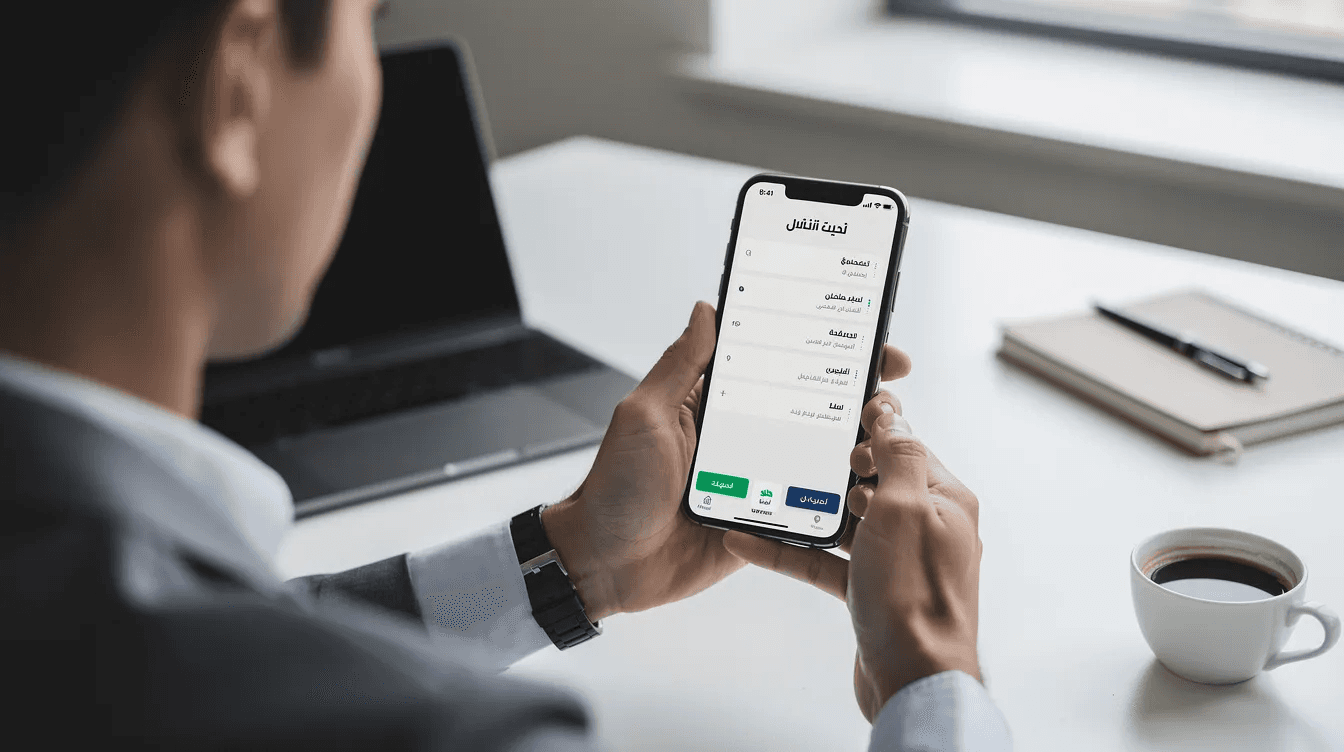
High-traffic websites in Dubai must be engineered for speed because the market punishes slowness. With mobile driving over 75% of web traffic and international visitors arriving on varied network conditions, even a well-designed page that loads in four seconds loses users. Google's Core Web Vitals - Largest Contentful Paint, First Input Delay, and Cumulative Layout Shift - directly affect search rankings. Minimalist website design is increasingly popular in the UAE market partly because it performs better, not only because it looks cleaner.
Collaboration between the design agency and development teams is where performance UX is won or lost. Designers limit heavy hero videos that inflate page weight. Images are optimised for Gulf lighting conditions - the region's bright sunlight produces high-saturation photography with larger file sizes that need aggressive compression. System fonts replace custom web fonts where appropriate to eliminate render-blocking font downloads. Off-screen content is lazy-loaded. CSS and JavaScript bundles are code-split so that only the resources needed for the current viewport are fetched. CDN edge nodes with a presence in the UAE and broader GCC reduce latency for both local and regional visitors.
Perceived performance matters as much as actual performance. Skeleton screens - grey placeholder shapes that mimic the layout of incoming content - appear instantly after navigation, giving users visual confirmation that something is happening. Optimistic UI patterns show the result of an action before the server confirms it: tapping "Add to Cart" triggers an instant animation and badge update even while the API call is still in flight. Progress indicators for multi-step processes like payment flows or form submissions show exactly where the user is and how many steps remain, reducing anxiety and abandonment.
Peak events test all of this under fire. During White Friday and Dubai Shopping Festival, platforms unprepared for surge traffic see cart abandonment spike, payment gateway timeouts, and frustrated users who leave for competitors. A design company documents performance rules directly inside its design system: maximum component weight limits (e.g., a card component must stay under a defined KB threshold), safe animation durations capped at 300ms, and documented fallback states for slow API responses - showing "Last known status" or a retry prompt instead of a blank screen or spinner. These are not engineering details. They are design decisions that protect brand trust during the moments when traffic is highest and stakes are greatest.
Scalable Design Systems for High‑Traffic Platforms
A design system is essential infrastructure for any design agency handling high-traffic sites. It is the shared library of components, tokens, documentation, and governance rules that keeps a platform consistent, fast, and maintainable as it scales across teams, markets, and languages. Without one, every new feature becomes a one-off project, and consistency erodes with every sprint.
A Dubai branding agency evolves static brand guidelines into living design systems built in tools like Figma, Storybook, or Zeroheight. These systems are tailored for English and Arabic from the start, with multi-market rollout in mind - supporting deployments in the UAE, KSA, and Qatar without rebuilding core components for each market. Design agencies develop comprehensive brand guidelines for consistency, but a design system goes further: it makes those guidelines executable, testable, and enforceable in production code.
Concrete elements include colour tokens for light and dark modes calibrated for MENA sunlight and screen conditions. Typography sets include paired Latin and Arabic typefaces with defined scale ratios, weights, and line-height rules. Motion guidelines specify easing curves and duration limits that stay within both cultural norms (less aggressive animation during Ramadan, for example) and performance budgets. Component states - default, hover, active, disabled, loading, error - are documented in both languages, ensuring that every permutation has been considered before it reaches a developer's screen.
Governance makes the system work over time. Design ops rituals - weekly component reviews, changelogs, deprecation notices - keep the system current without introducing breaking changes during peak traffic periods. When a button style is updated, the rollout is staged: test environments first, then low-traffic pages, then critical conversion flows. Agencies ensure branding consistency across all marketing platforms by tying the design system not only to the product codebase but also to marketing templates, social media marketing assets, and email campaigns.
A practical example: a fintech platform scaling from 20,000 to 1 million users over 18 months reused the same button, form, card, and modal components across dozens of user journeys. New features - international transfers, BNPL integration, referral programs - were assembled from existing components, cutting design-to-production time by roughly 40%. The visual identity remained intact. The brand message stayed consistent. The system paid for itself within the first quarter.
Conversion‑Focused UX for Dubai's High‑Intent Visitors
A design agency in dubai aligns UX directly with business outcomes: hotel bookings, real estate leads, bank account openings, university applications. In Dubai's competitive market, high-intent visitors arrive ready to act, and the UX must remove friction rather than add decoration. Every screen is a conversion opportunity or a conversion obstacle.
Localised CRO (conversion rate optimisation) follows patterns specific to the UAE. Mobile screens prominently surface "Call Now" buttons because phone calls remain a preferred conversion channel for real estate and automotive. WhatsApp chat integration appears on product detail pages and checkout screens. Instalment and BNPL visibility - through providers like Tabby and Tamara - is positioned early in the purchase flow, not buried in payment options. Trust badges appropriate to the UAE context are essential: DTCM (Dubai Tourism) logos for hospitality, DED (Department of Economy and Tourism) certificates for retail, and Central Bank of UAE seals for financial services. These localised signals work harder than generic "Verified" badges.
Form UX is tuned to local expectations. ID type fields offer Emirates ID and passport as primary options. Address formats accommodate PO Box conventions rather than forcing Western street-address patterns. Phone country codes default to +971. Validation messages appear in both English and Arabic, using clear language rather than technical error codes. Drop-off rates in forms are tracked by field, not just by step, so that a single confusing label does not silently kill conversion across thousands of sessions.
Urgency and social proof are used ethically. Limited-time Ramadan offers display clear countdown timers. Hotel booking pages show "Viewed X times today from Riyadh and Dubai" - real data, not fabricated pressure. Property listing pages display genuine availability status. The line between persuasion and dark patterns is drawn firmly: no fake scarcity, no hidden fees revealed at checkout, no pre-checked add-ons. In a market where brand engagement and long-term reputation matter more than a single transaction, ethical CRO outperforms manipulative tactics every time.
UX for Mobile‑First and App‑Centric Behaviour in the UAE
Many Dubai audiences experience brands primarily through mobile web or native apps. Banking, food delivery, ride-hailing, and government services are all mobile-first categories where the app is the product. With mobile connections exceeding 202% of the UAE population - reflecting dual-SIM usage and multiple devices - mobile app development is not an afterthought. It is the primary channel.
Responsive and adaptive strategies follow mobile-first principles. Grids are designed for small screens first, then expanded for tablet and desktop. Bottom navigation patterns place high-frequency actions within thumb reach. Tap targets are generously sized - a minimum of 48x48px - to accommodate the large-screen Android devices that dominate the UAE market (81% Android market share). Safe thumb zones are mapped for common device sizes, and interactive elements avoid the top corners where reach is hardest.
App-specific UX patterns reflect local behaviour. Biometric login - Face ID, fingerprint - is the default, with PIN or passcode as fallback. Deep links from SMS and WhatsApp allow users to jump directly into a specific flow (payment confirmation, delivery tracking, appointment details) without navigating through menus. One-tap top-ups, quick-action dashboards for repeat tasks (pay bill, renew, transfer), and persistent cart states across sessions reduce the friction between intent and completion.
Offline and poor-signal handling is a practical concern, not an edge case. Users travelling between emirates on Sheikh Zayed Road, passing through parking garages, or riding elevators in 50-storey towers encounter connectivity drops. Graceful error states - "You're offline. We'll retry when you're connected" - replace generic error screens. Data caching preserves the last known state so users don't lose context. Retry patterns handle reconnection automatically, and critical actions like payment submissions queue locally and sync when the connection returns.

Handling Spikes: UX Strategies for Traffic Surges and Peak Seasons
Peak-aware UX means designing flows, messages, and fallbacks that keep users informed and calm when systems are under extreme load. In Dubai, these moments are predictable - Eid, White Friday, Dubai Shopping Festival, major concert ticket launches, limited-unit property releases at Cityscape - but their intensity can overwhelm platforms that treated UX only as a fair-weather concern.
Queue systems and virtual waiting rooms are increasingly standard for high-demand launches. When a platform expects to receive more concurrent users than its transaction systems can process, a waiting room intercepts traffic before it hits the checkout or booking engine. The UX here matters enormously: clear estimated wait times ("Approximately 4 minutes"), reassurance messaging ("Your place in the queue is saved - don't refresh"), and branded visual design that maintains trust instead of a generic "Server busy" error. These screens are designed, not improvised. They carry the same visual language and brand collateral as the rest of the platform.
Graceful degradation is the design strategy for sustaining core functionality when non-essential features are overwhelmed. During a traffic spike, a platform might temporarily disable advanced filters on a product listing page, serve cached versions of category pages while dynamic content catches up, or simplify the checkout flow by removing upsell modules. The priority is clear: protect the core transaction - the booking, the payment, the application - at all costs. Everything else can be restored once load subsides.
Consider two scenarios. First, a high-demand concert ticket sale in Dubai where 200,000 users attempt to access a platform built for 30,000 concurrent sessions. The UX plan includes a pre-sale registration flow that spreads demand, a waiting room with live position updates, a simplified single-page ticket selection and checkout, and a post-purchase confirmation pushed via SMS and WhatsApp. Second, a limited-unit property launch at Cityscape where 500 units attract 15,000 registered buyers. The UX includes a priority access queue based on registration order, a countdown timer to launch, real-time availability indicators, and a hold-and-confirm flow that prevents double-booking. In both cases, the UX was planned weeks in advance, load-tested, and rehearsed - because during the spike, there is no time to improvise.
Security, Trust, and Compliance in UX for Fintech and Government Platforms
Trust is a design problem. For high-traffic sites handling payments, personal data, and identity verification, the UX must actively communicate security without creating friction that drives users away. Visible HTTPS indicators, padlock icons, and clear security messaging at sensitive moments - entering card details, uploading documents, confirming identity - all contribute to a user's willingness to proceed.
UAE regulations directly shape UX for financial and government platforms. The Central Bank of UAE mandates digital identification and verification standards, including AML and KYC flows that require identity document scanning, biometric checks, and multi-step verification. UAE Pass integration is now expected for government e-services and increasingly for private-sector platforms. These flows involve OAuth-based login, digital signing, and document submission, each adding steps that must be designed to feel seamless rather than bureaucratic. The UX challenge is turning regulatory requirements into interactions that users can complete confidently and quickly.
OTP and MFA patterns require specific UX attention. Best practices used by Dubai design agencies include clear countdown timers for OTP expiry, a visible "Resend OTP" button that activates after a defined interval, language clarity in both English and Arabic ("Enter the 6-digit code sent to your number ending in 1234"), and accessible design for non-technical users who may not be familiar with authentication terminology. Two-factor authentication is mandatory for many financial transactions, but the design should not make it feel punitive.
Trust visuals are localised for the GCC market. Government logos (e.g., DED, DTCM, Ministry of Economy), Central Bank seals, and customer ratings from regional platforms carry more weight than generic international trust badges. Data-privacy statements are tailored to GCC concerns and presented in both languages. A clear explanation of why data is being collected - not buried in a privacy policy link but surfaced contextually ("We need your Emirates ID to verify your identity as required by UAE law") - reduces abandonment at verification steps. The UX of compliance is not about checking legal boxes. It is about making users feel that their data is handled with the same care they expect from the brand's other touchpoints.
Accessibility and Inclusive Design for Dubai's Diverse Population
Accessibility is particularly relevant in Dubai because the user base is exceptionally diverse. The population includes older residents with varying digital literacy, people with visual, motor, or cognitive disabilities, non-native English and Arabic speakers navigating government or banking platforms for the first time, and workers across the expatriate workforce using mid-range devices with smaller screens. Designing for the average user means designing for no one.
Practical measures start with WCAG 2.1 AA compliance as a baseline. Keyboard navigation must work across all interactive elements. ARIA labels are implemented in both English and Arabic, ensuring screen readers can parse bilingual interfaces accurately. Colour contrast ratios meet or exceed AA standards, with particular attention to palettes that rely on red-green distinctions (common in finance for gain/loss indicators) where colour blindness affects usability. Default font sizes for Arabic scripts are set larger than their Latin counterparts because Arabic letterforms have different proportional characteristics.
Inclusive content strategies extend accessibility beyond code compliance. Simple language options - sometimes called "Easy Read" - serve users with lower literacy levels. Explanatory tooltips clarify unfamiliar UAE-specific terms: "Emirates ID" for tourists, "Ejari" for residents new to rental contracts, "Tawtheeq" for Abu Dhabi tenancy registration. Multi-language FAQs and visual step-by-step guides for complex tasks (visa renewal, health insurance claims, university enrolment) reduce the dependency on text-heavy explanations.
A serious design agency in dubai tests with real users from different age groups, nationalities, and abilities, not only with internal staff. Usability testing sessions include participants who use screen readers, participants over 60, participants whose first language is neither English nor Arabic, and participants using budget Android devices. This testing surfaces issues that automated tools miss: confusing icon meanings, tap targets too close together, or loading states that provide no audio feedback. In sectors like healthcare, education, and government digital services, accessibility is not an optional upgrade. It is a requirement - both legally and ethically - and it directly impacts how many people can actually use the platform you've built.
Data‑Driven UX: Analytics, Heatmaps, and A/B Testing at Scale
The analytics stack a Dubai design agency uses for high-traffic websites is built around volume and specificity. Google Analytics 4 provides the foundational layer: sessions, bounce rates, acquisition channels, and funnel paths segmented by locale, device, and campaign. Google Tag Manager orchestrates event tracking tied to key KPIs - bookings, applications, top-ups, form completions. Behavioural tools like Hotjar or Microsoft Clarity add heatmaps and session recordings that reveal where users hesitate, scroll past, or abandon. Mixpanel or Amplitude handles event-level analytics for product teams tracking feature adoption and engagement cohorts.
High traffic is an analytical advantage. With hundreds of thousands of monthly sessions, A/B tests reach statistical significance quickly - sometimes within days rather than weeks. This allows a design agency to test button copy (e.g., "Book Now" vs. "Reserve Your Spot"), layout variations (single-column vs. two-column product pages), and step counts in checkout flows (three-step vs. one-page) during campaign periods like Ramadan offers or end-of-year sales. The speed of testing means the UX can be optimised in near-real-time rather than waiting for quarterly redesigns.
Key metrics relevant to Dubai UX include:
Conversion rate segmented by locale (English vs. Arabic)
Payment failure rates by card type, bank, or gateway
Drop-off rates at each step in bilingual funnels
Page load times segmented by LCP, FID, and CLS
Bounce rates by device type (Android vs. iOS, mobile vs. desktop)
Form abandonment rates by individual field
On-site search usage and zero-result queries
Backend error rates during peak traffic windows
Qualitative data fills the gaps that numbers leave. Session recordings reveal why a user abandoned a form - was the field label confusing, or did the page reload unexpectedly? Exit surveys capture frustration in the user's own words. Customer support logs flag recurring UX issues ("I couldn't find where to upload my Emirates ID"). This qualitative layer is combined with quantitative data to iterate UX without guesswork. The result is a continuous feedback loop where every design decision is testable, every hypothesis is measurable, and every improvement is traceable to a specific metric - supporting business growth through evidence rather than intuition. Marketing design includes social media creatives and advertising campaigns, and the same data-driven approach applies to those touchpoints: testing creative variations, measuring click-through rates, and feeding learnings back into the design system.
Information Architecture & UX for Content‑Heavy Corporate and Government Sites
Content-heavy platforms - ministries, universities, airlines, large conglomerates headquartered in Dubai or Abu Dhabi - present a distinct IA challenge. These sites may contain thousands of pages spanning services, policies, FAQs, announcements, forms, and guides. The target audience ranges from citizens and residents to businesses, students, and international visitors. The structure must serve all of them without forcing anyone through a maze.
A design agency structures deep content around task-based navigation. Instead of organising pages by department or bureaucratic hierarchy, the IA centres on user intent: "I want to renew my visa," "I want to register a company," "I want to apply for admission." Smart search with autocomplete, recent queries, and popular suggestions surfaces answers faster than menu drilling. Filters by user type - citizen, resident, visitor, business, student - allow the same content library to present itself differently depending on who is looking.
Content modelling for CMS platforms is critical. Defining content types - Service, Policy, FAQ, Announcement, Step-by-Step Guide - ensures that information can be created once and reused across sections, languages, and channels. A service page includes structured fields for eligibility, required documents, fees, processing time, and related services. This structured approach makes content translatable, searchable, and parseable by AI systems for answer engine optimisation.
Concrete examples illustrate the approach. Reorganising a government site around "I want to..." actions - replacing a department-centric navigation with a task-centric one - has been shown to reduce average task completion time and increase successful self-service rates. Redesigning a university portal means separating the prospective student journey (admissions, program search, campus tours) from the enrolled student journey (course registration, grades, library) and the alumni journey (networking, transcripts, donations). Each audience gets a clear entry point without cluttering the others.
Web design for these platforms is not about aesthetics. It is about findability, clarity, and scale. High quality visuals still matter - photography, iconography, whitespace - but they serve the structure rather than competing with it.
Collaboration & Workflow: How Dubai Design Agencies Work With Dev and Marketing
The typical cross-functional setup for a high-traffic project includes UX researchers, UI designers, copywriters (bilingual), brand strategists, front-end and back-end developers, QA engineers, and digital marketing specialists working in parallel. A leading web design agency structures these teams around product squads rather than functional silos, so that a designer working on the checkout flow sits alongside the developer building it and the marketer running campaigns to it.
Agile ceremonies are adapted to clients in Dubai. Weekly sprints, bilingual standups, and stakeholder reviews - conducted in person at the agency's studio or over Teams and Zoom for distributed teams - keep UX aligned with business goals. Effective communication is key to a successful agency partnership, and in a market where clients span time zones from Abu Dhabi to London to Mumbai, communication cadence and clarity are designed as deliberately as any interface component. Project management follows structured workflows in Jira, Asana, or Notion, with Slack or Teams channels organised by workstream.
Handoff practices are component-based and documented. Figma files are structured with named frames, documented component states (default, hover, active, disabled, loading, error), redlines, spacing tokens, and accessibility notes in both languages. Loom walkthroughs accompany complex handoffs - a two-minute video explaining why a particular interaction pattern was chosen prevents misinterpretation and saves hours of back-and-forth across time zones. Agencies can meet tight deadlines efficiently because of these systematised handoff practices, not despite them.
Digital marketing strategies and SEO teams influence UX from the earliest stages. Landing page structures for paid campaigns are designed with conversion tracking baked in. Schema markup for AEO is specified in design documentation, not added as an afterthought by developers. Content layouts are designed for high search visibility: clear heading hierarchies, scannable paragraphs, FAQ modules, and structured data for events, properties, or services. A team blends creativity with marketing rigor, ensuring that the platform both delights users and performs in search.
Top design agencies in Dubai typically offer services spanning brand strategy and digital marketing, web development, and digital solutions. This integrated model - where creative design solutions, development, and performance marketing sit under one roof - reduces handoff friction and keeps the UX vision intact from concept to production to campaign.
SEO and Answer Engine Optimisation (AEO) Within UX for High‑Traffic Sites
UX, classic SEO, and AI-era AEO intersect heavily for Dubai businesses seeking visibility on Google, as well as in AI engines like ChatGPT, Gemini, and Perplexity. A page that ranks well but provides a poor user experience converts poorly. A page that delights users but is invisible to search engines generates no traffic. A high-traffic site needs both - and the design must serve both simultaneously.
On-page UX patterns that also serve SEO and AEO include clear H1/H2 heading structures that signal content hierarchy to search crawlers and AI parsers alike. Concise summaries at the top of service pages answer the user's likely question immediately, increasing the chance of being cited in AI-generated answers. FAQ sections with structured data markup provide explicit question-answer pairs that AI engines can extract directly. Semantic HTML - proper use of <article>, <section>, <nav>, and <aside> elements - helps both accessibility tools and AI systems understand page structure.
Local SEO considerations for Dubai include location pages for different emirates (Dubai, Abu Dhabi, Sharjah, Ajman), each with unique content, local imagery, and Arabic/English metadata. Review widgets from Google, Trustpilot, or regional platforms add social proof and structured review data. Structured data for events (concerts, exhibitions, conferences), properties (listings with price, location, features), and services (medical, legal, financial) makes content eligible for rich results and knowledge panel features.
High-traffic sites benefit from A/B testing of search-driven UX. Comparing layouts featuring rich snippet previews, FAQ modules in hero sections, or entity-rich copy (mentioning specific Dubai landmarks, neighbourhoods, or service names) against simpler versions reveals which patterns drive both organic traffic and on-page conversion. In hospitality, real estate, and healthcare, these tests often show that structured, answer-oriented content outperforms generic marketing copy - both in search visibility and in user engagement. Website optimisation in this sense is not a technical task. It is a design discipline.
Case Study Style Blueprint: UX for a Dubai Ecommerce or Marketplace Platform
Here is a narrative blueprint of how a Dubai design agency approaches UX for a high-traffic ecommerce platform - in this case, an electronics and lifestyle brand preparing for White Friday. The project scope covers a platform serving UAE, KSA, and Bahrain, with primary traffic from Dubai, Abu Dhabi, and Riyadh.
Discovery begins with analytics review: last year's White Friday data reveals that 72% of traffic came from mobile, cart abandonment peaked at the payment step, and Arabic-language users converted 15% lower than English-language users despite similar traffic volumes. Stakeholder interviews identify three priorities: faster mobile checkout, better instalment visibility, and bilingual parity in the shopping experience.
User research includes moderated sessions with shoppers from Dubai, Abu Dhabi, and Riyadh. Key findings: users want to see instalment pricing (via Tabby or Tamara) on the product listing page, not only at checkout. WhatsApp support icons are expected on product detail pages. Delivery estimates by emirate or city are more trusted than generic "3–5 business days." Return and refund policies must be visible before purchase, not hidden in footer links - GCC customer expectations around returns are high, and uncertainty at this stage kills conversion.
IA for categories and filters is restructured. Category pages use a mobile-optimised filter drawer with collapsible sections (Brand, Price Range, Instalment Available, Delivery Speed). Product detail pages are redesigned for mobile-first: hero image carousel with pinch-to-zoom, price and instalment breakdown above the fold, "Add to Cart" and "Buy Now" as sticky bottom buttons, and WhatsApp support accessible via a floating icon.
Checkout is simplified from five steps to three: Cart Review → Shipping & Payment → Confirmation. Address forms default to UAE format with PO Box support. Payment options display local gateways prominently: Apple Pay, card, COD, and Tabby/Tamara instalments. OTP verification for card payments shows a clear timer and Arabic/English messaging.
Performance UX is engineered for surge. Product images are served in WebP format with responsive srcsets. Quick-view modals load product details without full page navigation. Wishlist and cart data persist across sessions via local storage with server sync. During peak hours, non-essential homepage modules (blog posts, brand stories) are deferred to prioritise category and product page speed. Load testing simulates 5x normal concurrency two weeks before White Friday.
Post-launch results, based on this type of engagement, typically include measurable conversion lift (15–25% improvement in mobile checkout completion), reduced cart abandonment (particularly at the payment step), and higher Arabic-language conversion rates when bilingual parity is achieved. The platform's lasting impression on users is one of speed, clarity, and trust - qualities that drive repeat purchases well beyond the sale event.
UX for B2B, SaaS, and Enterprise Dashboards Built in Dubai
A design agency in dubai working on B2B and SaaS platforms faces a different kind of high-traffic challenge. These are not consumer-facing ecommerce sites. They are supply chain dashboards, lending platforms, GovTech portals, and logistics management tools used daily by enterprise teams across the GCC. The traffic may be lower in total volume but higher in intensity: every session involves complex decision-making, dense data, and zero tolerance for confusion.
UX priorities shift accordingly. Data density must be balanced against clarity - a supply chain dashboard showing 50 data points per screen needs hierarchy, not just columns. Role-based access means the same platform presents different views to a procurement manager in Dubai, a finance director in Riyadh, and an operations lead in Doha. Multi-entity views allow users to switch between subsidiaries, branches, or markets without losing context. Audit requirements for regulated sectors demand interaction logs, timestamped approvals, and exportable records - all of which must be surfaced in the UI without cluttering core workflows.
Specific interface patterns include complex data tables with sortable columns, inline editing, and bulk actions. Saved filter views allow power users to jump to their most-used configurations. Export flows (PDF, Excel, CSV) handle Arabic text and RTL formatting correctly. Notification centres aggregate alerts by priority and type, using badge counts and digest emails to avoid overwhelming busy professionals.
Multi-market rollouts add a localisation layer. A platform built at a Dubai-based HQ but used in Riyadh, Jeddah, and Doha requires light localisation: industry terminology may differ between UAE and KSA, date formats shift, and regulatory labels need adjustment. Training and onboarding UX - interactive walkthroughs, contextual tooltips, in-app documentation - reduces the support burden and accelerates adoption across offices. Amplify uses AR and VR technologies in their design solutions for some enterprise clients, enabling spatial training and immersive onboarding for complex industrial platforms.
The UX for these platforms is designed for heavy daily usage: sessions lasting 30 minutes to several hours, repeated multiple times per day. Navigation must be efficient, not exploratory. Shortcuts, keyboard commands, and customisable dashboards respect the user's time. The goal is not delight in the consumer sense but confidence: the user must trust that the data is accurate, the actions are reversible (where appropriate), and the system will not fail when they need it most.
Choosing the Right Design Agency in Dubai for High‑Traffic UX Work
Selecting a design agency in dubai for high-traffic UX work is a different exercise than choosing a studio for a brochure website or a logo. The stakes are higher, the technical complexity greater, and the margin for error thinner. Here is a practical checklist.
Portfolio quality and case studies are critical when selecting a design agency. Look for evidence of high-traffic platforms: not just screenshots but descriptions of user volumes, languages supported, performance metrics, and measurable outcomes (conversion lift, NPS changes, uptime during peak events). Case studies that include before-and-after comparisons with concrete data - reduced abandonment rates, improved task completion times, faster page loads - indicate an agency that measures its own impact. Choose agencies with proven creative expertise and strong portfolios, not just polished visuals.
Ask agencies about their process. How do they conduct UX research? Do they run bilingual usability tests with local participants? How do they integrate analytics into design decisions? What does their design system look like, and how do they handle component governance? What QA practices do they follow, and how do they collaborate with development teams? Agencies must have proven industry experience to improve project outcomes, particularly in regulated sectors like finance, healthcare, and government. Look for agencies with experience in your specific industry - the learning curve matters when deadlines are tight.
Understand the difference between a generic creative agency and a specialised web design agency comfortable with complex, regulated, or large-scale projects. Reputable design agencies in Dubai offer branding and digital experience services, but not all have the infrastructure for high-traffic work. The Dubai market includes notable firms across the spectrum: Tequila has built over 350 brands since 1999, demonstrating longevity and breadth. Digital Gravity specialises in custom web development and mobile solutions. Musemind focuses on creating impactful brand identities in Dubai. Bird Marketing prioritises environmental sustainability in its operations. Each has different strengths. The right choice depends on your project's specific needs - whether that is a full brand identity system, a performance-critical ecommerce platform, or a complex enterprise dashboard.
A strategic partner for high-traffic UX should also function as a creative partner who understands your sector, your users, and your regulatory environment. Ask for references. Talk to their past clients. And verify that they can deliver projects on time and at scale - not just present compelling brand stories in a pitch deck.
Cost, Timelines, and Engagement Models for High‑Traffic UX Projects in Dubai
Budget ranges for high-traffic UX work in Dubai are grounded in complexity, not guesswork. A standalone UX audit - reviewing an existing platform's usability, performance, and conversion funnels - typically starts from USD 5,000–15,000 (AED ~18,000–55,000). Full redesigns of high-traffic platforms, including research, IA, multilingual design, and design system development, begin from USD 50,000–200,000+ depending on scope. Large enterprise or government site projects - with multiple languages, regulatory integrations, UAE Pass, payment gateways, and CRM connections - can reach USD 300,000–500,000+. Transparent pricing in proposals should define deliverables and timelines, not hide behind "custom quote" language.
Common timelines follow a structured rhythm. Discovery phases run 2–3 weeks: stakeholder interviews, analytics review, field research, and persona development. Design sprints cover 4–8 weeks for high-traction zones (homepage, checkout, dashboards), with iterative testing built into each sprint. Development runs in parallel, with staged rollouts to mitigate risk for high-traffic platforms. For campaign readiness - White Friday, Ramadan, Dubai Shopping Festival - agencies build with lead times of 3–4 months ahead of the event.
Engagement models vary. Fixed-scope projects work for well-defined deliverables: a redesign, a design system build, a specific product launch. Monthly retainers suit ongoing optimisation: A/B testing, content updates, seasonal campaign design, and performance monitoring. Hybrid models - where the agency provides design, strategy, and front-end development while the client's in-house team handles back-end and infrastructure - are increasingly common in the GCC. Outsourcing design services saves time and cuts costs compared to building an equivalent in-house team, particularly for project-based work where demand fluctuates. Design agencies offer cost-effective solutions compared to in-house teams, especially when the alternative is hiring bilingual UX researchers, Arabic typographers, and performance-focused designers as full-time staff.
Factors that influence both cost and timeline include: number of supported languages (each language roughly adds 20–30% to design and QA effort), regulatory complexity (fintech and government projects require compliance review at every stage), and integration depth (payment gateways, CRMs, identity verification systems, shipping APIs). Agencies can save costs compared to in-house teams by reusing proven design system components across projects, but the initial investment in building that system must be factored into the first engagement.
Ongoing Optimisation: Keeping High‑Traffic UX Fresh and Resilient
UX for high-traffic sites is never finished. New devices enter the market, user behaviours shift, regulations evolve, and competitors in Dubai and across the GCC continuously raise the bar. A platform that performed well in Q1 may underperform by Q4 if no one is watching the metrics and iterating the design.
Continuous improvement cycles are structured around monthly or quarterly UX reviews. These reviews examine conversion funnels, error rates, load times, and user feedback. Seasonal events - Ramadan, school admissions windows, Expo legacy events, COP conferences - trigger specific design and content updates. A/B tests run continuously on high-traffic pages where statistical significance can be achieved quickly. Post-launch support is crucial for ongoing design projects because the real learning starts after launch, not before.
Monitoring and alerting systems track critical UX metrics in real time. Conversion rate drops, error rate spikes, and load time degradation trigger predefined playbooks: investigate, diagnose, fix, verify. These playbooks are documented and rehearsed, not improvised during a crisis. Dashboard alerts in Slack or Teams notify the right people within minutes, not hours.
A design agency in dubai that partners long-term with clients functions as a semi-in-house creative and UX team. They attend monthly business reviews, understand seasonal rhythms, know the codebase intimately, and propose improvements proactively rather than waiting for briefs. This model - the agency as a strategic partner, not a one-off vendor - delivers compounding value. Each quarter builds on the last. Each test informs the next. Each optimisation compounds into measurable competitive edge across international markets and local segments alike.
Innovative solutions emerge from this long-term relationship. An agency embedded with a client notices patterns that a project-based vendor never would: a subtle drop in mobile conversion after an OS update, a content gap that customers complain about in support tickets, a competitor's new feature that shifts user expectations. The ability to deliver innovative solutions continuously, rather than in isolated redesign cycles, is what separates a proven track record from a one-time project.
Conclusion: Building High‑Traffic Digital Flagships With a Dubai Design Agency
Dubai's digital environment demands more from UX than any generic global playbook can deliver. The combination of multilingual users, high mobile usage, regulatory complexity, extreme traffic spikes, and fierce competition across diverse industries creates a design challenge that requires strategic expertise, cultural fluency, and technical rigour - all working together.
The concept of a "digital flagship" captures what the best platforms in this market achieve. Like a flagship store on Sheikh Zayed Road, a high-traffic website or app must handle heavy footfall, serve multiple audiences in multiple languages, maintain a distinctive visual identity under pressure, and convert visitors into loyal customers. It is the single most important expression of a brand in a digital-first economy. A graphic design agency, a creative design agency, a web design agency - these labels matter less than the substance: can the partner you choose actually build and sustain a platform at this level? Businesses seeking a competitive edge should look for a strong track record of work across various industries and international brands, not just aesthetic awards.
Treat UX as a strategic investment, not a cosmetic layer. The agencies that deliver creative excellence in this market are the ones that combine brand strategy with performance engineering, user research with data analytics, and creative concepts with measurable outcomes. Whether you are launching a new platform or optimising an existing one, the right design agency in dubai brings strategic insights that compound over time - turning a website into a digital asset that drives business growth year after year.
The future is moving fast. AI-driven search is changing how users find and evaluate services. User expectations in the UAE continue to rise. The brands that invest in continuous UX evolution - starting with a discovery workshop or UX audit today - will be the ones still leading when the next wave of innovation arrives. Unique brand identities, user friendly websites, and high-performance digital experiences are not luxuries in this market. They are the cost of entry.
How is UX different for high traffic sites in Dubai compared to other markets?
Why does Arabic and English design require more than translation?
How do Dubai agencies prepare websites for traffic surges like White Friday or Ramadan sales?
What role does performance play in UX for high traffic platforms?
How do you measure the success of a UX redesign for a high traffic Dubai website?


Let’s keep in touch.
Discover more about high-performance web design and online marketing. Follow us on LinkedIn and Instagram.

